
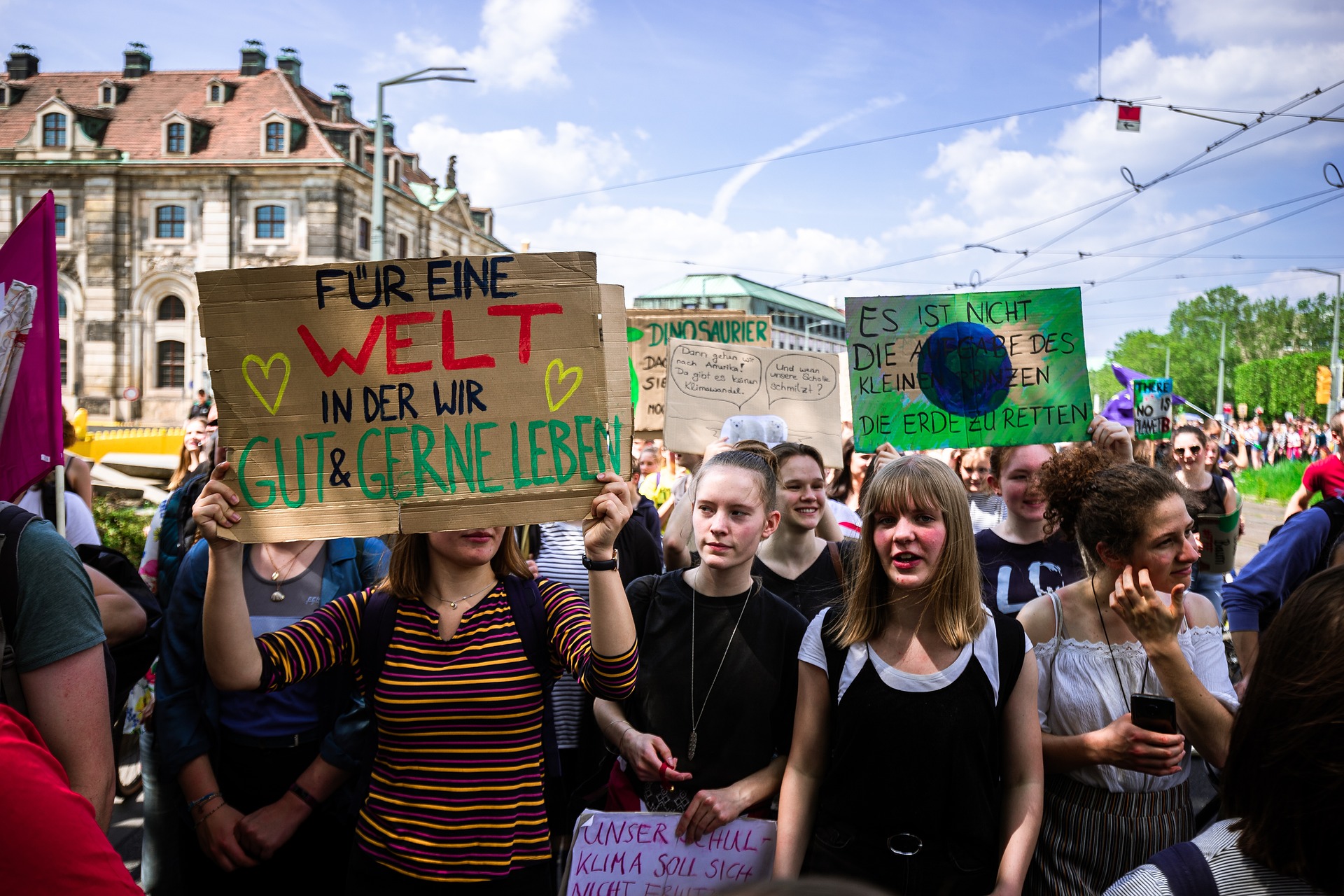
Is Europe safe to travel right now? The Christmas market travel season is starting, and that question keeps popping up on social media and the Facebook groups we’re a part of. We get it. Turn on the news and it can look like the whole continent is on fire. But here where we live, it’s not nearly as bad as the media portrays it. Protests have been a part of society for a very long time. The majority are peaceful, but some turn violent. Sometimes, even in the peaceful protests, emotions get the best of people and they escalate that feeling.
So here’s what’s real, what’s not, and what actually got us this year. Spoiler: it wasn’t a protest.
Is Europe safe to travel with all the protests?
Yes, there are protests in Europe, and yes, there are protests in Germany. But what you see on the news is usually the most dramatic thirty seconds of a long, mostly uneventful afternoon. And when zoomed in, which most do, it looks much worse than it is.
In Germany, demonstrations are generally registered with the city ahead of time, follow a set route and come with a police escort. Most of the time it looks like a lot of people walking slowly with signs, and then everyone goes home.
We literally just saw one in Dresden and it was completely peaceful. They assembled, yelled on their bullhorns, and then marched. And that was that.
If you run into one, walk around it, don’t stop to film up close, and move on. If you’re worried, ask your hotel front desk or check local news for planned routes. That’s really it.
A bigger headache for travel? Strikes!
If you want something to actually keep an eye on, it’s strikes, not protests. Train staff, airport workers and pilots in Germany strike from time to time, and when they do, trains or flights can be cancelled for a day or two. This can be a major disruption for travelers and can make a well planned vacation a complete nightmare.
The good news is they’re almost always announced a few days in advance. Check the Deutsche Bahn website or DB Navigator app before your travel days, and leave a little wiggle room in your plans. If they trains aren’t moving because of strikes, rent a car. It’s really easy and you only need a U.S. driver’s license. Check out Booking.com’s Car Rental Search for the best rates.
What’s worse? Pickpocketing!
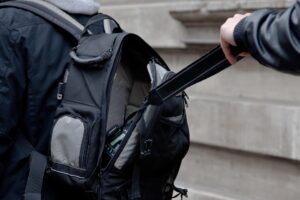
Here’s the part that has been getting a lot of attention lately, especially in big cities like Rome, Venice, Paris, Barcelona, London, etc.. While we were traveling, our bank information was compromised. The sad part is that we don’t know exactly where it happened. No one’s wallet or purse was stolen – it was most likely an RFID scanner. We’re not sure, but it’s better to be safe than sorry so we’ve invested in RFID blocking wallets. Luckily our bank refunded everything, but it was a good reminder that the real risk in a big city isn’t a crowd with signs. It’s someone you never even notice.
A friend of ours had an even worse day. His wallet was stolen right out of his cross-body bag. While he was wearing it. The thieves were quick to try to add it to ApplePay, but luckily they weren’t able to. Here’s what we recommend to keep your personal belongings safe.
What we carry now
After all that, we changed how we carry things.
This section contains affiliate links. If you buy through them, we may earn a small commission at no extra cost to you. As an Amazon Associate we earn from qualifying purchases. We only share things we actually use.
A cross-body bag with locking zippers
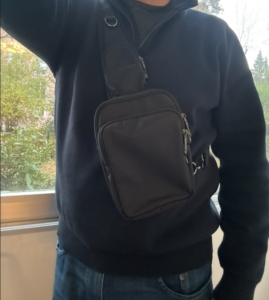
The zipper pulls clip into a lock, so nobody can quietly open it on a crowded train or in a busy market. It’s small enough to wear all day and holds a phone, wallet and passport without looking like you’re heading off on a safari.
An RFID-blocking wallet
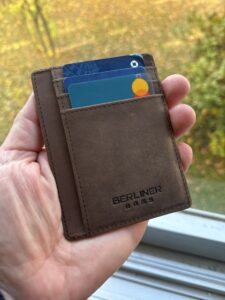
Most cards today are tap-to-pay, which also means they can be read through fabric by someone standing close enough with the right reader. It’s not the most common way cards get compromised, but an RFID-blocking wallet is cheap peace of mind.
I went with this brand’s slim card holder, but they make larger wallets too, so there’s an option whether you carry three cards or ten.
Our quick checklist for safe travel in Europe
- Turn on instant transaction alerts in your banking app, so you see a charge the second it happens.
- Use a credit card instead of a debit card when you can. If a credit card gets hit, it isn’t your cash leaving your account.
- Carry a backup card, and keep it somewhere separate from your wallet.
- Know how to freeze your card from your phone before you leave home.
- Keep your phone and wallet in front pockets or a locked bag, especially on trains, at busy markets like Munich’s Viktualienmarkt and anywhere crowded.
- Keep a backup card and cash in your front pocket.
One German word worth knowing: Taschendieb
Taschendieb (TAH-shen-deeb) means pickpocket, literally a “pocket thief.” You’ll see it on signs and hear it in announcements at busy German train stations, usually as a warning to watch out for Taschendiebe. When you hear it, take it seriously. They don’t say it for fun.
Use it like a local: “Vorsicht, Taschendiebe!” means “Watch out, pickpockets!”
So, is Europe safe to travel?
For most travelers, we would say yes. Don’t let the headlines talk you out of the trip. Keep an eye on strike announcements, lock up your bag, watch your bank app, and go enjoy Germany.
Have a question about traveling in Germany? Leave it in the comments and we’ll answer.